


https://docs.google.com/presentation/d/1sIRTAo5VfejVlv6qFkquaJ93vDcZk-L5AV3xs18Sk18/edit?usp=sharing
Friday, May 8, 2020
Final Presentation
https://docs.google.com/presentation/d/1FJgNPP68g9puacLiliD2zld-JVQExWU4ltI9U5d_79c/edit?usp=sharing
Saturday, May 2, 2020
Friday, May 1, 2020
Final Instagram Post (poster)

Instagram Final Post: https://www.instagram.com/p/B_rIRc5AVJQ/?utm_source=ig_web_copy_link
Facebook Page: https://www.facebook.com/Disupgrade-104568971248122/?modal=admin_todo_tour
Portfolio Website: http://allisonpriole.com/
Unfortunately my collection of projects on Facebook was deleted. I can't seem to find back ups. So I am going to rebuild my portfolio starting with the work I did this year.
Tuesday, April 14, 2020
Week Ten
My last supplies needed to complete painting came over the weekend. I have painters tape now. I can start the painting process. I am planning to do it today and be completed by the end of the week. I have started doing research into video design software possible for use for the 5-10 minute presentation. After talking with Joline she had highly suggested using Adobe Spark, Adobe Premiere, or Final Cut Pro. I am going to download the Adobe Spark program and do some tutorials to experiment with it. I am also going to be using this new program for my virtual poster. My milestone six presentations have been updated and completed. I am presenting today! Unfortunately due to COVID, I am not going to be able to perform live user testing. I am not going to be able to test it besides myself. I am going to detail my user testing plan and how I would have gone about doing it - if possible. I have still been struggling to find the cane that the layout was designed for. The NFB is in the process of redesigning its website and the shop it down. I have funds for it but I have to figure out how to get it. I feel like not making much progress with my project this semester due to several barriers outside of my control. I am hoping to have at least finish the lightsaber hilt. I am looking forward to print the other designs in the future.
Milestone 6 Presentation!
Milestone SIX Presentation:
https://docs.google.com/presentation/d/1Ogr0l4i620fHLIvGyeMUPbZNjDLtUrMpaFZa2iwP-qQ/edit?usp=sharing
https://docs.google.com/presentation/d/1Ogr0l4i620fHLIvGyeMUPbZNjDLtUrMpaFZa2iwP-qQ/edit?usp=sharing
Monday, April 6, 2020
Week Nine
This week I have been adjusting to moving out of state. I just got internet connections set up in my new residence. I am still not unpacked but my textbooks nad laptops are all ready to go. I am a bit sick and so I have been resting. I am unable to get tested for COVID. But I have been having all of the symptoms. Due to being sick, I have not been very productive this week. I am still waiting for painter tape to arrive to complete painting my pieces. I am a bit lost with direction as to how to move forward with user testing. I feel that I am not going to be able to complete it. I can user test it - but I would love other blind users' feedbacks. I have completed my designs. I have started working on the poster and websites for the project. I am hoping to complete both by the end of the week. I will update next when milestone 6 slides are complete.
Week Eight
Unfortunately due to COVID (Coronavirus), the capstone class has been moved to a remote setting. This week we have been focusing on revising schedule and making learning objectives virtually completed. The poster has been switched to the virtual layout. Instead of New Media night presentation - we are now doing a video. I do not have much experience using video editing Softwares So I am super nervous about video productions. We are required a 5 min and 10 min video. I am still working on assembling my project and I am waiting on painters tape and a tarp in order to move forward. The paint and art supplies arrived. I am ready to move forward. I am going to be painting and assembling later next week. But due to coronavirus, we have been in a bit of standstill.
Unfortunately due to loss fo usage of 3d printing. I am not going to be able to print additional prototype and designs. My project will be postponed and 3d printing will continue in the fall semester. When access is granted again. I also am unable to perform user testing. I had originally scheduled it for next week. As assembly and productions were behind schedule. But my group of users is in Maine and I am no longer in the state. I have loss the ability to test it with my focus group.
Unfortunately due to loss fo usage of 3d printing. I am not going to be able to print additional prototype and designs. My project will be postponed and 3d printing will continue in the fall semester. When access is granted again. I also am unable to perform user testing. I had originally scheduled it for next week. As assembly and productions were behind schedule. But my group of users is in Maine and I am no longer in the state. I have loss the ability to test it with my focus group.
Thursday, March 12, 2020
Tuesday, March 3, 2020
WEEK SEVEN UPDATE
The design creator responded stating "Yeah, sorry about that. The online Independence Market is no more it seems, but it was the NFB Type 7 Telescoping Carbon Fiber Cane. The cane had either five or six sections, depending on total length, and the sections telescoped together when not in use. It had a smooth handle with a wrist strap (nylon, I think) on top and came in 39-69 inches in two-inch increments. The cane was printed white but the lightsaber handle is painted silver, gold, and black. I used acrylic paint". I have used this feedback to find two canes that fit the description. I am debating on which one best fits the description.
Supplies are supposed to arrive on March 5th from Amazon! I am excited to get the content. I am hoping to find someone who is more experienced than me with painting. To assist with painting the parts. Otherwise, I will attempt to do it myself, but I haven't really ever painted before. So it will definitely be a learning experience.
Supplies are supposed to arrive on March 5th from Amazon! I am excited to get the content. I am hoping to find someone who is more experienced than me with painting. To assist with painting the parts. Otherwise, I will attempt to do it myself, but I haven't really ever painted before. So it will definitely be a learning experience.
I also have found another cane that I am hoping to get printed. It is Obi-Wan's lightsaber.  https://www.thingiverse.com/thing:981345
https://www.thingiverse.com/thing:981345User Testing & Feedback
I am not at a point where I am ready for user testing. I am postponing until my project is at a point of prototyping. I have a group of user testers. We are planning to meet after Spring Break in early to mid-April for testing. I created a google form for user feedback. At this point with my project, I just need time.
WEEK SIX UPDATE
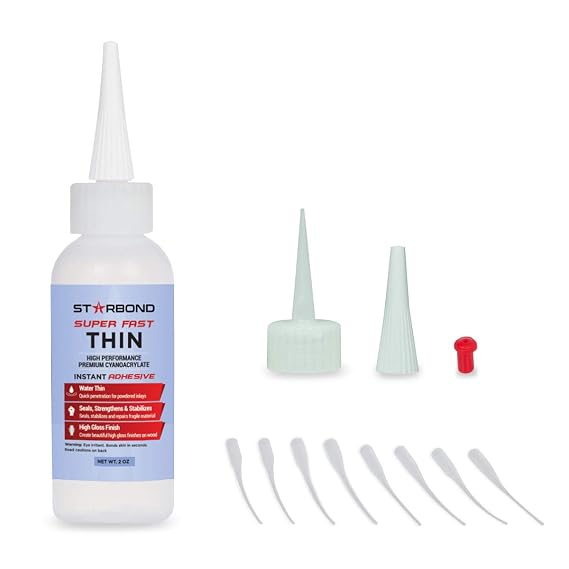
This week I have been working on getting my blog content up to date. I also ran into a file type issue when it was my turn in queue at the printing lab. Due to the file issues, my projects were bumped down. I had to spend a few hours reslicing and uploading the files. I got funds for supplies this week. I officially ordered stuff from amazon. I will post pictures of the products below. I am excited to attempt to paint my 3d prints and start assembling. I also ran into this issue that the cane the first print was designed for - is no longer manufactured. So finding a cane that will fit the exact sizes is going to be challenging. I contacted the original designer and I am waiting for a response. I asked them to provide a description in order for me to find a similar one online.


WEEK FIVE UPDATE
This week I have been focusing on assembling parts. I have done more research on art types. I was debating between spray paint and acrylic paint. I ultimately decided to go with acrylics. I have done a bunch of research looking into what material would last the longest. I also looked into different glue types. I decided to go with CA glue. As of right now, I am waiting for the supplies to come in to proceed. This week I also was working on the milestone five presentations. Getting the content ready for class.
Monday, March 2, 2020
WEEK FOUR UPDATE
This week I have been working on trying to finalize my design prints. Unfortunately, the print studio is not back up and running yet for the semester. Since it is a new semester the prints need to be resubmitted. I also had to re-slice all the files. Slicing is a lengthy process that takes time to render prints for printing with the correct printer. All the files have been submitted and are queued. Now it is just a waiting game for the prints to be completed. I have three projects currently on the printer.
I also had this new idea of creating an attachment to connect the official to build your own lightsaber. I have been working on a prototype. My next step is just to rearrange measurements and building two additional pieces. I have been at the drawing board with this idea. I have a prototype in solid works. But the program is not Mac friendly. So I have to figure out how to get it to work on my mac.
I also had this new idea of creating an attachment to connect the official to build your own lightsaber. I have been working on a prototype. My next step is just to rearrange measurements and building two additional pieces. I have been at the drawing board with this idea. I have a prototype in solid works. But the program is not Mac friendly. So I have to figure out how to get it to work on my mac.
Milestone FIVE
https://docs.google.com/presentation/d/1YEycPT8-DGqS8R5T4e6Xt7a7doLerm0YCseUuC-ckH8/edit?usp=sharing
Week THREE Update
This week I have been focusing my attention on updating this blog with all of my content. I had realized that the preferences were not set up correctly. It was causing issues. Ultimately resulting in me having to start over. I redesigned the blog interface and designed the theme. I have been playing around with different logo variations. But I do not feel comfortable sharing them yet. I have also started adding a web campaign section on my personal domain. http://www.allisonpriole.com/ Once published it will be a section and will reload with new layout and design. I am 25% done the coding for the web layout and design. I have also started working on my milestone 5 content.
Friday, February 14, 2020
2020 Gant Chart
Gant Chart & Updated task list has been made. I used Aggantlly to manage my project. It allows for shared access: https://app.agantty.com/?locale=en#/gantt
Week Two: Update
This week has been a bit low work-wise. Due to the classes being merged we have been playing a lot of catch up with Mike Scott's section. We have exchanged ideas and gotten a lot of new insight and feedback this week. I feel that I have a hard time conveying my idea. My current prototype is not fully assembled. So it makes it a bit challenging to talk about. I realized that I am going to have to paint my prototype and I am doing research on tools and options for color selection as well as strength in the assembly. I have been exploring my options as well as looking into options to get it to light up. I do not feel that I will have time to assemble light parts by capstone night. But I am looking into options!
Project Updates Spring 2020 Week ONE
Lightsaber Hilts version one has been printed. 6/8 parts have been completed. Due to issues with materials the small cylinder piece keeps snapping.

END GOAL:

https://www.thingiverse.com/thing:2799495
END GOAL:
https://www.thingiverse.com/thing:2799495
Thursday, January 23, 2020
Milestone ONE Presentation (Final)
https://docs.google.com/presentation/d/16PV4RtXOT4v6j6fC8d0nL8hYEokuTwasxhf8qNyvawk/edit?usp=sharing
Preliminary Research
https://docs.google.com/document/d/11V6hOhj5yWmuzv_76SChXOAwfabQAK1h6fSPlyLsAhk/edit?usp=sharing
#preliminaryresearcfh #alejpride #allisonpriole
I am exploring weather a connection or sense of belonging mitigate the negative effect of discrimination. In order to do this I am hoping to create child-friendly accessibility devices. Devices that are fun to use, with a unique design, while still keeping key accessibility features. I am hoping to upgrade the cane designs with modern pop culture references and sci-fi fantasy designs. I feel that through recognizable design that social interactions and connections can be made. I want to learn more about manufacturing and design. I want to discuss accessibility features and inclusiveness. I want to design a more child-friendly cane. I want to change the design elements of the standard cane to interface with pop culture. I feel that humans are naturally brilliant at manifesting the value proposition due to the social hierarchy. A design element could change the social hierarchy by creating more acceptance, communication, and love. I feel that my product will connect people in social situations due to shared fandoms. I do feel that products need to shift in order to support human sensitivities. I feel that my project engages all human sensitivities. Of the areas, I feel that the group dynamic would be the one that needs the most improvement. I do not feel that the success criteria are in tension with any sensitivities.
My design will bring a feeling of power and confidence in emotion. It will give attention through a sensory feedback from the ground. The device will allow the use of sensemaking by the surroundings and translates sensory feedback from the surroundings. Based on the sensory feedback the user will decide which direction to go. The social reasoning will allow the user to associate their self with the heros that they see in fantasy creating a higher social level. The group dynamic of this design will allow fans of fandoms to connect. My project will improve the lives of people with disabilities by connecting them to other people in their communities.
Sometimes when you are out and about you struggle to keep up with your friends or family. It sometimes is important to act as a human guide for your visually impared friend or family member. A human guide is a guide that acts as a person's eyes. It is done to help accelerate tasks and avoid injury. One of the most important rules as a human guide is to äsk not grab". This is referring to when you notice someone needing help. Instead of just going up and grab them to assist. It is polite to introduce yourself and ask if they need help and then proceed accordingly. When giving verbal directions it is important to be descriptive with tasks. For example saying Ï i'm right here"is not very helpful. Stating, Ï am two steps to the left, next to the pole is more helpful. The five most important obstacles are curbs, stairs. Potholes, poles, and walls. Sometimes holding onto an arm or hand is more helpful than verbal directions.
"A photo of a woman using a cane while looking at a mobile phone has been widely shared online with many social media users suggesting the woman is faking her visual impairment." This viral social media post shows the public's lack of basic knowledge when dealing with disabilities. The post has led to many people explaining that mobiles and other technology can be used by visually impaired people. There are different levels of blindness and the decision to use a cane is a personal matter. However, some people have experience with people accusing them of faking or exaggerating their disability "for extra privileges". The Royal National Institute of Blind People (RNIB) said it often hears of people facing prejudice and discrimination for just doing daily tasks of life. "We need to educate social media users and wider society as a whole as to the harm that posts like this can cause - ill-informed stories and ignorant reactions to them can really dent the self-confidence of blind and partially sighted people."
Long white canes come in two categories ones that fold and ones that don't. Folding canes, which can be collapsed and stored easily, come in aluminum or graphite models. Graphite canes are lighter and easier to fold and unfold than aluminum ones. Folding canes tend to be less sturdy when compared to straight canes and don't provide the same amount of sensory feedback. There are different types of tips that provide different sensory feedback. The differences between the tips are their ease of use, ability to pass through different surfaces and weight.
The pencil tip is a thdiscriminationin, straight piece of plastic on the bottom of a cane, It does not provide very much feedback compared to other cane tips. It is often used just for identification purposes to alert others of their condition. The pencil tip is very light and is a good choice for people who have problems moving the wrist for long periods of time. However, due to the long, thin tip it has a tendency to get stuck in cracks in the sidewalk.
The rolling mushroom tip has a small rounded bottom, like an upside-down mushroom. The rolling marshmallow tip can rotate 360 degrees. It is the most common cane tips. It allows for users to go across a variety of surfaces with ease and has constant contact with the ground. It rolls over cracks in the sidewalk, making for a smoother walk. The cane does have a greater weight and can cause wrist fatigue over time. It also does not provide much feedback about small changes in terrain.
The medal glider tip is a thin and flat silver colored metal disk that screws on to the bottom of the cane. This cane tip is used in the signature National Foundation for the Blind rigid white cane. This is typically favored by many people because it goes against any surface with ease and it also gives quality audio feedback. This cane is very light and provides easy use.
The ball tip rotates similar to the marshmallow tip. However, It is much larger in size. The ball tips can range in size and some may be as big as the size of an orange. This cane is typically used as a learning cane. It is also great for long periods of time and is very durable; however, the cane can be pretty heavy. It works best when used with constant contact techniques.
The "bundu basher" cane tip was invented in South Africa by O&M specialists Beverly Atkinson and Andre Neimandt. It was created for the use of navigating the uneven bush country. In Afrikaans they call the bush country Bundu. The original version of this cane just added a rounded crook on the bottom of the cane. The Bundu basher resembles the bottom of a hockey stick. Therefore some people name it the hockey tip. It also refer to as a snow cane or all terrain cane. The curved tip of the Bundu Basher is less likely to catch on any obstructions. This cane has been developed for travel in wilderness areas and farms.
The is another off roading adventure type of cane. The Dakota snow tip has a frisbee shaped tip. It is great for rolling across snow covered surfaces. This cane is very similar to the rolling of the marshmallow tip. The Dakota snow tip has a Hook-style cane tip. It was designed with uneven terrain in mind. It is used for mobility canes, but is not adoptable with support canes. The tip is meant for uneven terrain such as snow, sand, grass, pea gravel (schoolyards), etc.
Some canes offer visible night time features. You will find that there are canes that have night glow which will slightly change the rod to glow at night. Other canes will use reflective tape to make visible. There are also LED based cane tips. The LED light is allows for assistance with traveling at night and is a favorite for little kids. Some canes even flash every time they hit the ground.
Despite most white canes being - white. The tips of these canes do come in a variety of colors. The common colors include white, red, pink, green, and many more. The choice of using colored or non colored tips is a preference made by the user.
Resources:
https://all3dp.com/1/best-free-3d-printing-software-3d-printer-program/
https://www.autodesk.com/products/autocad/overview
https://www.autodesk.com/collections/product-design-manufacturing/overview
https://jinlunmifeng.en.made-in-china.com/product/TSamjEyChhrW/China-Graphite-PTFE-Aramid-Fiber-Reinforced-Plastic-Thread.html
https://www.ncbi.nlm.nih.gov/pmc/articles/PMC5993176/
http://www.fredshead.info/2015/03/the-bundu-basher.html
https://veroniiiica.com/2018/10/09/decoding-the-tips-of-blindness-canes/
https://veroniiiica.com/2016/12/02/how-do-people-with-low-vision-use-human-guides/
https://www.bbc.com/news/blogs-trending-47031509
https://www.bbc.com/news/blogs-trending-47031509
#preliminaryresearcfh #alejpride #allisonpriole
VALUES
Can we bring fun, joy and connection with friends through the use of an accessibility tool to fight discrimination and stigmas? When people typically see an accessibility device they may back off due to worry or fear. They may have never had experience dealing with a differently abled person. Some people have never even seen an accessibility tool and don't understand its use or purpose. Due to lack of experience, some people are scared to interact for fear of saying or doing the wrong thing.I am exploring weather a connection or sense of belonging mitigate the negative effect of discrimination. In order to do this I am hoping to create child-friendly accessibility devices. Devices that are fun to use, with a unique design, while still keeping key accessibility features. I am hoping to upgrade the cane designs with modern pop culture references and sci-fi fantasy designs. I feel that through recognizable design that social interactions and connections can be made. I want to learn more about manufacturing and design. I want to discuss accessibility features and inclusiveness. I want to design a more child-friendly cane. I want to change the design elements of the standard cane to interface with pop culture. I feel that humans are naturally brilliant at manifesting the value proposition due to the social hierarchy. A design element could change the social hierarchy by creating more acceptance, communication, and love. I feel that my product will connect people in social situations due to shared fandoms. I do feel that products need to shift in order to support human sensitivities. I feel that my project engages all human sensitivities. Of the areas, I feel that the group dynamic would be the one that needs the most improvement. I do not feel that the success criteria are in tension with any sensitivities.
My design will bring a feeling of power and confidence in emotion. It will give attention through a sensory feedback from the ground. The device will allow the use of sensemaking by the surroundings and translates sensory feedback from the surroundings. Based on the sensory feedback the user will decide which direction to go. The social reasoning will allow the user to associate their self with the heros that they see in fantasy creating a higher social level. The group dynamic of this design will allow fans of fandoms to connect. My project will improve the lives of people with disabilities by connecting them to other people in their communities.
SIMILAR CONTEXT/AUDIENCE
According to the "the social complexities of disability". It is found that life satisfaction is lower among youth with a disability. Moreover, many experience disability-related discrimination, which has a negative effect on life satisfaction. However, this is mitigated by a sense of belonging to the community. Specifically, youth with a disability do not report lower life satisfaction when high belonging is present, even if they experience ."Sometimes when you are out and about you struggle to keep up with your friends or family. It sometimes is important to act as a human guide for your visually impared friend or family member. A human guide is a guide that acts as a person's eyes. It is done to help accelerate tasks and avoid injury. One of the most important rules as a human guide is to äsk not grab". This is referring to when you notice someone needing help. Instead of just going up and grab them to assist. It is polite to introduce yourself and ask if they need help and then proceed accordingly. When giving verbal directions it is important to be descriptive with tasks. For example saying Ï i'm right here"is not very helpful. Stating, Ï am two steps to the left, next to the pole is more helpful. The five most important obstacles are curbs, stairs. Potholes, poles, and walls. Sometimes holding onto an arm or hand is more helpful than verbal directions.
"A photo of a woman using a cane while looking at a mobile phone has been widely shared online with many social media users suggesting the woman is faking her visual impairment." This viral social media post shows the public's lack of basic knowledge when dealing with disabilities. The post has led to many people explaining that mobiles and other technology can be used by visually impaired people. There are different levels of blindness and the decision to use a cane is a personal matter. However, some people have experience with people accusing them of faking or exaggerating their disability "for extra privileges". The Royal National Institute of Blind People (RNIB) said it often hears of people facing prejudice and discrimination for just doing daily tasks of life. "We need to educate social media users and wider society as a whole as to the harm that posts like this can cause - ill-informed stories and ignorant reactions to them can really dent the self-confidence of blind and partially sighted people."
RELATED WORK
There are many different types of canes that currently exist. There is the support cane which provides physical stability. A support cane that is white can identify you as a person who is blind or has low vision that also needs stability assistance. The probing cane, more commonly called a "white cane" or a "long cane", probes for and locates obstacles in your path of travel.Long white canes come in two categories ones that fold and ones that don't. Folding canes, which can be collapsed and stored easily, come in aluminum or graphite models. Graphite canes are lighter and easier to fold and unfold than aluminum ones. Folding canes tend to be less sturdy when compared to straight canes and don't provide the same amount of sensory feedback. There are different types of tips that provide different sensory feedback. The differences between the tips are their ease of use, ability to pass through different surfaces and weight.
The pencil tip is a thdiscriminationin, straight piece of plastic on the bottom of a cane, It does not provide very much feedback compared to other cane tips. It is often used just for identification purposes to alert others of their condition. The pencil tip is very light and is a good choice for people who have problems moving the wrist for long periods of time. However, due to the long, thin tip it has a tendency to get stuck in cracks in the sidewalk.
The rolling mushroom tip has a small rounded bottom, like an upside-down mushroom. The rolling marshmallow tip can rotate 360 degrees. It is the most common cane tips. It allows for users to go across a variety of surfaces with ease and has constant contact with the ground. It rolls over cracks in the sidewalk, making for a smoother walk. The cane does have a greater weight and can cause wrist fatigue over time. It also does not provide much feedback about small changes in terrain.
The medal glider tip is a thin and flat silver colored metal disk that screws on to the bottom of the cane. This cane tip is used in the signature National Foundation for the Blind rigid white cane. This is typically favored by many people because it goes against any surface with ease and it also gives quality audio feedback. This cane is very light and provides easy use.
The ball tip rotates similar to the marshmallow tip. However, It is much larger in size. The ball tips can range in size and some may be as big as the size of an orange. This cane is typically used as a learning cane. It is also great for long periods of time and is very durable; however, the cane can be pretty heavy. It works best when used with constant contact techniques.
The "bundu basher" cane tip was invented in South Africa by O&M specialists Beverly Atkinson and Andre Neimandt. It was created for the use of navigating the uneven bush country. In Afrikaans they call the bush country Bundu. The original version of this cane just added a rounded crook on the bottom of the cane. The Bundu basher resembles the bottom of a hockey stick. Therefore some people name it the hockey tip. It also refer to as a snow cane or all terrain cane. The curved tip of the Bundu Basher is less likely to catch on any obstructions. This cane has been developed for travel in wilderness areas and farms.
The is another off roading adventure type of cane. The Dakota snow tip has a frisbee shaped tip. It is great for rolling across snow covered surfaces. This cane is very similar to the rolling of the marshmallow tip. The Dakota snow tip has a Hook-style cane tip. It was designed with uneven terrain in mind. It is used for mobility canes, but is not adoptable with support canes. The tip is meant for uneven terrain such as snow, sand, grass, pea gravel (schoolyards), etc.
Some canes offer visible night time features. You will find that there are canes that have night glow which will slightly change the rod to glow at night. Other canes will use reflective tape to make visible. There are also LED based cane tips. The LED light is allows for assistance with traveling at night and is a favorite for little kids. Some canes even flash every time they hit the ground.
Despite most white canes being - white. The tips of these canes do come in a variety of colors. The common colors include white, red, pink, green, and many more. The choice of using colored or non colored tips is a preference made by the user.
Resources:
https://all3dp.com/1/best-free-3d-printing-software-3d-printer-program/
https://www.autodesk.com/products/autocad/overview
https://www.autodesk.com/collections/product-design-manufacturing/overview
https://jinlunmifeng.en.made-in-china.com/product/TSamjEyChhrW/China-Graphite-PTFE-Aramid-Fiber-Reinforced-Plastic-Thread.html
https://www.ncbi.nlm.nih.gov/pmc/articles/PMC5993176/
http://www.fredshead.info/2015/03/the-bundu-basher.html
https://veroniiiica.com/2018/10/09/decoding-the-tips-of-blindness-canes/
https://veroniiiica.com/2016/12/02/how-do-people-with-low-vision-use-human-guides/
https://www.bbc.com/news/blogs-trending-47031509
https://www.bbc.com/news/blogs-trending-47031509
- Sources:
- https://www.medievalcollectibles.com/product-category/weaponry/swords/swords-by-name/
- http://beyondaccessibility.com/home-modification-cane/
- https://scifi.stackexchange.com/questions/7283/what-goes-into-the-design-of-lightsaber-hilts
- https://www.visionaware.org/info/everyday-living/essential-skills/an-introduction-to-orientation-and-mobility-skills/what-type-of-cane-should-i-use/1235
Design Guide
DESCRIBE YOUR PROJECT BRIEFLY
1. PROJECT:
My project is a redesigned cane for accessibility. The primary audience is visually challenged, children.2. KEY VALUES (YOURS, AND THOSE OF PROJECT):
- To create child-friendly accessibility devices. Devices that are fun to use, look cool and still keep key accessibility features.
- To upgrade cane designs with modern pop culture and sci-fantasy designs.
- To improve accessibility
3. MEASURE OF SUCCESS:
CONSIDER YOUR PROJECT AND HOW YOUR DESIGN CHOICES MAY AFFECT EACH OF THE SIX HUMAN SENSITIVITIES DESCRIBED ABOVE. BESIDE EACH SENSITIVITY, LIST WAYS THE PROJECT CURRENTLY ENGAGES THESE, AND WAYS YOU MIGHT IMPROVE ON CURRENT PRACTICES.
- EMOTIONAL - Feeling of power and confidence.
- ATTENTION - focus on sensory feedback from the ground
- SENSEMAKING - allows the use of surroundings and translates sensory feedback to the surroundings.
- DECISIONMAKING - Based on sensory feedback you will decide which direction to go.
- SOCIAL REASONING - Will associate self with knight or Jedi creating a higher social level.
- GROUP DYNAMICS - will allow fans of series connection.
NOW DEVELOP AN ACTION STATEMENT FOR HUMANE TECHNOLOGY USING YOUR EVALUATION ABOVE AND PRIORITIZATION FROM THE PREVIOUS SHEET.
- IN WHAT WAYS DOES YOUR PROJECT CURRENTLY ENGAGE HUMAN SENSITIVITIES?
- HOW MIGHT YOUR PROJECT SUPPORT OR ELEVATE HUMAN SENSITIVITIES?
- ACTION STATEMENT
©Alej Pride (Allison Priole) September 15th, 2019
Capstone Budget
https://docs.google.com/spreadsheets/d/1D9FpffQPYEijL_PPmkRnKqnPuvc8GDfqHNkN7OU0KkY/edit#gid=1846674504

CUGR Proposal Revisions Second Draft
ALEJ PRIDE'S CUGR
GRANT REVISED DRAFT
---
ABSTRACT
Can we bring fun, joy, and connection with friends through the use of an accessibility tool to fight discrimination and stigmas? When people typically see an accessibility device they may back off due to stigmas, worry or fear. I am exploring whether a connection or sense of belonging mitigates the negative effect of discrimination. In order to do this, I am hoping to create a child-friendly accessibility device. For this project, I am hoping to upgrade the long white cane designs with modern pop culture references and sci-fi fantasy designs. I am a blind student and my favorite fandoms are Harry Potter & Star Wars. Therefore, for my first two designs, I am intending to use the Sword of Godric Gryffindor & a Lightsaber. After perfecting the manufacturing process I am hoping to expand my design range to include other famous swords and lightsaber options.
THE PROBLEM
"A photo of a woman using a cane while looking at a mobile phone has been widely shared online with many social media users suggesting the woman is faking her visual impairment." This viral social media post shows the public's lack of basic knowledge when dealing with disabilities. The post has led to many people explaining that mobiles and other technology can be used by visually impaired people. There are different levels of blindness and the decision to use a cane is a personal matter. However, some people have experience with people accusing them of faking or exaggerating their disability "for extra privileges". The Royal National Institute of Blind People (RNIB) said it often hears of people facing prejudice and discrimination for just doing daily tasks of life. "We need to educate social media users and wider society as a whole as to the harm that posts like this can cause - ill-informed stories and ignorant reactions to them can really dent the self-confidence of blind and partially sighted people."
Sometimes when you are out and about you struggle to keep up with your friends or family. It sometimes is important to act as a human guide for your visually impaired friend or family member. A human guide is a guide that acts as a person's eyes. It is done to help accelerate tasks and avoid injury. One of the most important rules as a human guide is to äsk not grab". This is referring to when you notice someone needing help. Instead of just going up and grab them to assist. It is polite to introduce yourself and ask if they need help and then proceed accordingly. When giving verbal directions it is important to be descriptive with tasks. For example, saying Ï I'm right here" is not very helpful. Stating, Ï is two steps to the left, next to the pole is more helpful. The five most important obstacles are curbs, stairs. Potholes, poles, and walls. Sometimes holding onto an arm or hand is more helpful than verbal directions.
According to the "the social complexities of disability". It is found that life satisfaction is lower among youth with a disability. Moreover, many experience disability-related discrimination, which has a negative effect on life satisfaction. However, this is mitigated by a sense of belonging to the community. Specifically, youth with a disability do not report lower life satisfaction when high belonging is present, even if they experience ."
The objective of my project is to assist in discrimination elimination, inclusion and to make an accessibility tool a source of connection. I feel that the white cane design is very outdated. It is a stick that design has barely changed since its invention. I feel that by utilizing pop culture & sci-fi references in tools, that nondisabled users will be more inclusive and connective towards disabled people. I will accomplish the project by designing a few pop-culture related - children friendly - white long cane for the visually impaired. I intend to complete the project through 3D printing and aluminum casting. I will be utilizing several software and applications to create designs and mocks of my cane in order to print. In October of 2018, I unexpectedly lost my vision due to a rare uncurable eye condition called Retinal Pigmintosis. I have very limited vision in one of my eyes. I am very disappointed with the designs and accessibility features that exist. After graduation, I am hoping to create an accessibility friendly design company. I would like to design trendy and more useful wheelchairs as well as hearing aids. I am an avid nerve and my wardrobe consists of mostly fandom clothing. When using my white cane I feel very self-conscious. It definitely does not match my wardrobe. Upon researching, I found that the product I was looking for simply does not exist. In the future, I hope to be an Imagineer for The Walt Disney Company. I want to specialize in ride accessibility and park upgrades. As a New Media major - I am constantly exposed to new trends and emerging technologies. I feel that my design idea is unique and one of a kind. I hope that by having fandom-related white canes - that it will inspire more visually impaired people to start using canes. I feel that accessibility designs and inventions are decades behind sighted inventions. I hope that I am able to create more unique products for a marginalized group of people. My community of users would be primarily children and young adults. The canes would be individually printed based on the user's height and tip preferences. I feel that my design helps reach a niche of people who are on the spectrum of vision loss and inspire higher use of accessibility devices when needed as a tool. As this group of people is typically discriminated against and excluded from peer groups - I feel that this project is a game changer for low vision, vision impaired and blind children. I feel that due to my very low vision and legally blind status, that I am highly knowledgeable in the struggles and advantages of using a cane. I feel that the benefits of cane use are life-changing for transportation, independence and growth.
OTHER SOLUTIONS
Research at least three existing projects that come closest to solving the problem you mention. What do they do right? Where do they fall short?
Attached picture (b) is a hand made product on Etsy called Cane sock. This is a sleeve made for stability canes. The sleeve slips over an existing design to allow custom and changeable design outputs. This is a great solution to making accessibility options more friendly and visually pleasing. However, it fails to convey to nonvisual users as there is no textile design that can be felt. The sleeve also does not sti ck well to the cane and sometimes falls off. They do not make these yet for long white canes.
Image (c) attached is a Confetti Cane Bling. This design allows for you to bedazzle your cane with rhinestones. It is definitely a creative approach to de4corating a case. I do appreciate that it has a textile, touch-based texture, and so blind users may find this attractive. However, with stickers, they can be flimsy. They can be difficult to install for users that can not see. The jewelry reflects light and people who suffer from impaired vision tend to have light sensitivities. I feel that light reflection could be annoying and even dangerous for users that are visually impaired.
The We Walk cane pictured below is a redesigned cane that is smart. "Since the beginning of the white cane usage it never got innovated and visually impaired individuals faced problems like coming across above chest obstacles. WeWALK solves this problem and adds more to it through smartphone integration."This device has many high tech features. "WeWALK detects obstacles above the chest level with the ultrasonic sensor and warns with vibration. When paired with the WeWALK application, actions such as getting navigation can be performed on WeWALK easily without taking the phone at hand. Each integration developed for WeWALK brings new features with software updates. We WALK is integrated with Voice Assistant and Google Maps. (We walk). This cane is a revolutionary game-changer for the blind community. Its overhead features allow assistance with tree branches and objects not known when swiping on the floor, The integrated Google Maps and location feature is a life changer. This product is sweeping waves for the blind. However, while smart, this device has a pretty hefty price tag of $499. Meaning that it is simply unfordable to the majority of the blind community. The site does have a charity feature and option to purchase for friends or anonymously.
"
When choosing a white can - most people assume that it comes in white color. They would be very wrong, The cane comes in a wide variety of colors. It also has interchangeable colored tips. If you have a hearing disability then you can have two red stripes on the bottom of your cane to let others know of your hearing impairments.
There are many different types of canes that currently exist. There is a support cane that provides physical stability. A support cane that is white can identify you as a person who is blind or has low vision that also needs stability assistance. The probing cane, more commonly called a "white cane" or a "long cane", probes for and locates obstacles in your path of travel.
Long white canes come in two categories ones that fold and ones that don't. Folding canes, which can be collapsed and stored easily, come in aluminum or graphite models. Graphite canes are lighter and easier to fold and unfold than aluminum ones. Folding canes tend to be less sturdy when compared to straight canes and don't provide the same amount of sensory feedback. There are different types of tips that provide different sensory feedback. The differences between the tips are their ease of use, ability to pass through different surfaces and weight.
The pencil tip is a, straight piece of plastic on the bottom of a cane, It does not provide very much feedback compared to other cane tips. It is often used just for identification purposes to alert others of their condition. The pencil tip is very light and is a good choice for people who have problems moving the wrist for long periods of time. However, due to the long, thin tip it has a tendency to get stuck in cracks in the sidewalk.
The rolling mushroom tip has a small rounded bottom, like an upside-down mushroom. The rolling marshmallow tip can rotate 360 degrees. It is the most common cane tips. It allows for users to go across a variety of surfaces with ease and has constant contact with the ground. It rolls over cracks in the sidewalk, making for a smoother walk. The cane does have a greater weight and can cause wrist fatigue over time. It also does not provide much feedback about small changes in terrain.
The medal glider tip is a thin and flat silver colored metal disk that screws on to the bottom of the cane. This cane tip is used in the signature National Foundation for the Blind rigid white cane. This is typically favored by many people because it goes against any surface with ease and it also gives quality audio feedback. This cane is very light and provides easy use.
The ball tip rotates similar to the marshmallow tip. However, It is much larger in size. The ball tips can range in size and some may be as big as the size of an orange. This cane is typically used as a learning cane. It is also great for long periods of time and is very durable; however, the cane can be pretty heavy. It works best when used with constant contact techniques.
The "bundu basher" cane tip was invented in South Africa by O&M specialists Beverly Atkinson and Andre Neimandt. It was created for the use of navigating the uneven bush country. In Afrikaans, they call the bush country Bundu. The original version of this cane just added a rounded crook on the bottom of the cane. The Bundu basher resembles the bottom of a hockey stick. Therefore some people name it the hockey tip. It also refers to as a snow cane or all-terrain cane. The curved tip of the Bundu Basher is less likely to catch on any obstructions. This cane has been developed for travel in wilderness areas and farms.
The is another off-roading adventure type of cane. The Dakota snow tip has a frisbee shaped tip. It is great for rolling across snow covered surfaces. This cane is very similar to the rolling of the marshmallow tip. The Dakota snow tip has a Hook-style cane tip. It was designed with uneven terrain in mind. It is used for mobility canes but is not adaptable with support canes. The tip is meant for uneven terrain such as snow, sand, grass, pea gravel (schoolyards), etc.
Some canes offer visible night time features. You will find that there are canes that have night glow which will slightly change the rod to glow at night. Other canes will use reflective tape to make visible. There are also LED-based cane tips. The LED light allows for assistance with traveling at night and is a favorite for little kids. Some canes even flash every time they hit the ground.
Despite most white canes being - white. The tips of these canes do come in a variety of colors. The common colors include white, red, pink, green, and many more. The choice of using colored or non-colored tips is a preference made by the user.
YOUR SOLUTION
My approach to my project is to learn more about design, 3d printing, and 3d printing color theory. Once learned I intend to learn 3d modeling and design software through online tutorials and webcasts. I intend to work on my promotional material early and advertise my product online. I am hoping to get media attention and to get official support from Disney & Warner Brother Studios - to use their trademarks in my accessibility products. I intend to learn more about prototyping. I am very innovative and I am hoping to bring an idea from conception to life. I am hoping that my design and unique product will inspire and connect people of all abilities. I hope that my designs and innovative use of fandoms into accessibility tools will create a movement to make more merchandise that is accessible friendly.
TASKS
Research how you would build your solution, and then write a to-do list of at least 20 tasks required. In place of a few vague ambitions, show that you have thought through the process by listing numerous narrow tasks, eg: 20 tasks - 5 sub-tasks - 5 secondary subtasks
NEEDS
Attached is my itemized budget request with practical resources, supplemental contributions, and sponsors. I am willing to front the cost of the majority of the project. I am needing financial assistance in my request for aluminum casting, software licenses, installation, promotion, and 3d printing materials and resources.
DOCUMENT PICTURES
BIBLIOGRAPHY
Cane Sock/Walking Cane Cover/Cane Sleeve/Decorative Cane Cover/Mobility Aid/Military/Floral/Sport/Breast Cancer/Fall/Christmas, Stitched4UByTrippy2 5 Out of 5 Stars , https://www.etsy.com/listing/477187320/cane-sockwalking-cane-covercane?ga_order=most_relevant&ga_search_type=all&ga_view_type=gallery&ga_search_query=cane sleeve&ref=sr_gallery-1-1&frs=1.
Etsy, Confetti Cane Bling Walking Cane Accessory Cane Sock Cane Image 0 Confetti Cane Bling Walking Cane Accessory Cane Sock Cane Image 0 Confetti Cane Bling Walking Cane Accessory Cane Sock Cane Image 1 Confetti Cane Bling Walking Cane Accessory Cane Sock Cane Image 2 Confetti Cane Bling Walking Cane Accessory Cane Sock Cane Image 3 FromtheheartbyMary , https://www.etsy.com/listing/573760901/confetti-cane-bling-walking-cane?ga_order=most_relevant&ga_search_type=all&ga_view_type=gallery&ga_search_query=cane sleeve&ref=sc_gallery-1-2&plkey=a62fa16ab1b27fef990ae022f76b6e572ae787df:573760901&frs=1.
https://www.bbc.com/news/blogs-trending-47031509
New Media Press:
http://jolineblais.net/capstone2020/cugr-revisions/
New Media Press:
http://jolineblais.net/capstone2020/cugr-revisions/
- urces:
Subscribe to:
Posts (Atom)